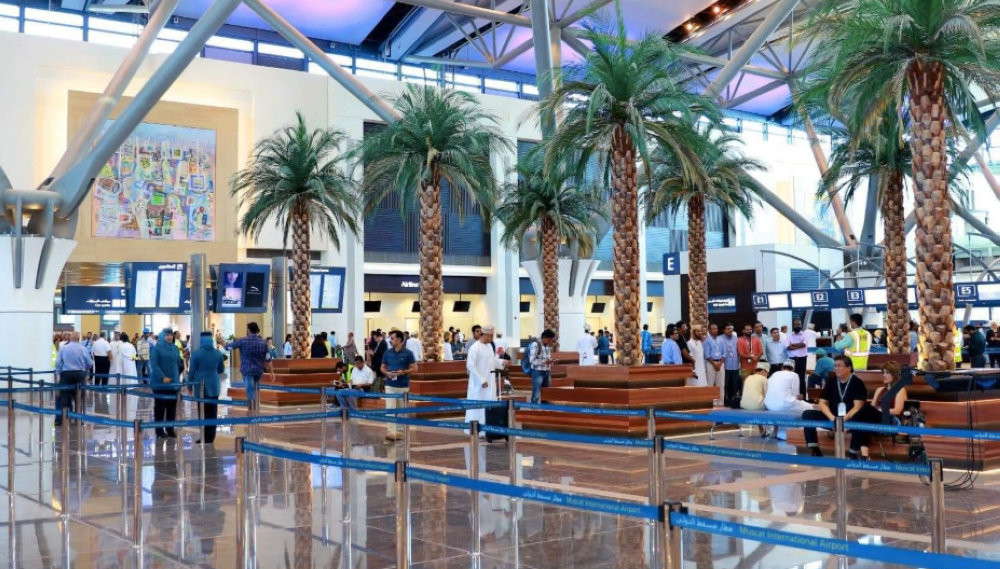





MUSCAT: 1.8 million tourists arrived in the Sultanate of Oman in the first half of 2026, maintaining figures similar to those recorded during the same period of last year, unaffected by regional tensions and air travel disruptions.
The UAE accounted for the highest number with 491,000 visitors, followed by India with 382,000, and Germany with 68,000.
The number of Omanis travelling abroad during the first half of this year dropped to 2.8 million from 2.9 million during the same period in 2025. Tourism indicators show that the repercussions of escalating geopolitical tensions on the tourism sector in the Sultanate of Oman have remained limited so far. However, the continuation or expansion of the conflict could pose a challenge to targeted growth rates in the tourism sector this year.
The Eleventh Five-Year Plan targets to achieve a 5.6 per cent growth rate in the tourism sector by the end of 2026. However, the latest statistics from the National Centre for Statistics and Information (NCSI) show a decline in several indicators of spending and hotel activity during the first half of this year. Hotel occupancy rates fell by nearly 15 per cent, hotel revenues by 12 per cent, and the number of guests by 13 per cent.
Despite the decline, the tourism sector, specifically accommodation and food services, achieved growth of 1.2 per cent during the first quarter of 2026, bringing the sector’s added value to approximately RO 194 million, compared to RO 192 million in the first quarter of 2025. The impact of geopolitical developments on the growth of the tourism sector is expected to remain limited during the second quarter, with the potential for improved tourism indicators during the second half of the year, which coincides with the Khareef Dhofar season and the winter tourism season.
The war and geopolitical tensions in the region resulted in direct disruptions in the tourism and aviation sectors, including cancellation of thousands of flights and the closure of several regional airspaces, which has affected passenger traffic and travel bookings.
The World Travel & Tourism Council estimates that the tourism sector in the Middle East could lose up to $600 million daily due to flight restrictions and cancellations. The repercussions of these disruptions are not limited to the region; they extend to international demand for travel and aviation, and to major tourist destinations outside the Middle East, due to the impact on global air traffic.
Oman Observer is now on the WhatsApp channel. Click here